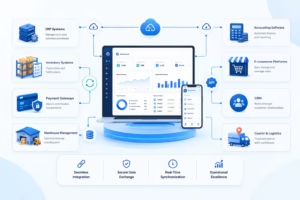
How to Integrate Business Systems Without Replacing Everything
Many growing businesses run on a mix of CRM, accounting, inventory, ordering, and support tools that were never designed to work together. Replacing all of them is rarely practical. In

Many growing businesses run on a mix of CRM, accounting, inventory, ordering, and support tools that were never designed to work together. Replacing all of them is rarely practical. In
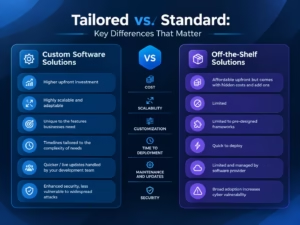
When a business outgrows its current tools, the first instinct is often to choose between buying a ready-made product and building something custom. In reality, the best answer is frequently

“How much will the app cost?” is usually the first question in a mobile project, and the honest answer is that it depends on what the app needs to do.
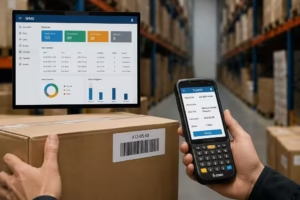
Many businesses start tracking stock in a spreadsheet, and for a while it works well. As products, sales channels, and team members grow, the same spreadsheet can become a source
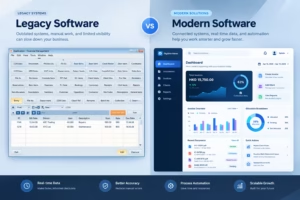
Few decisions in business technology are harder than deciding what to do with an aging system. It may still run daily operations, but it can also be costly to maintain,

AI is getting a lot of attention, but most businesses do not need an AI strategy for the whole company. They need to know where a specific tool can save

Many businesses assume that rising operating costs mean they need a new system. In practice, a good share of the waste often sits inside tools they already own. Improving existing

On Amazon, a product listing does more than describe an item. It helps shoppers find the product, understand it quickly, and decide whether it fits their needs. Small improvements to

Selling on several channels can grow a business, but it also makes inventory harder to keep accurate. When Amazon, Walmart, and an online store each track stock separately, small delays