
Many businesses assume that rising operating costs mean they need a new system. In practice, a good share of the waste often sits inside tools they already own. Improving existing software, connecting it to the rest of the business, and automating repetitive work can reduce costs without the disruption of a full replacement.
Start with the work that slows people down
Businesses often pay for inefficiency in small, repeated ways. Staff may enter the same information into multiple systems, prepare reports manually, chase approvals, or maintain spreadsheets because the main software does not cover a particular step. Ask the people doing the work where time is being lost, then follow the process from start to finish. Record repeated steps, delays, and common errors instead of relying only on general impressions.
Improve the process before buying another tool
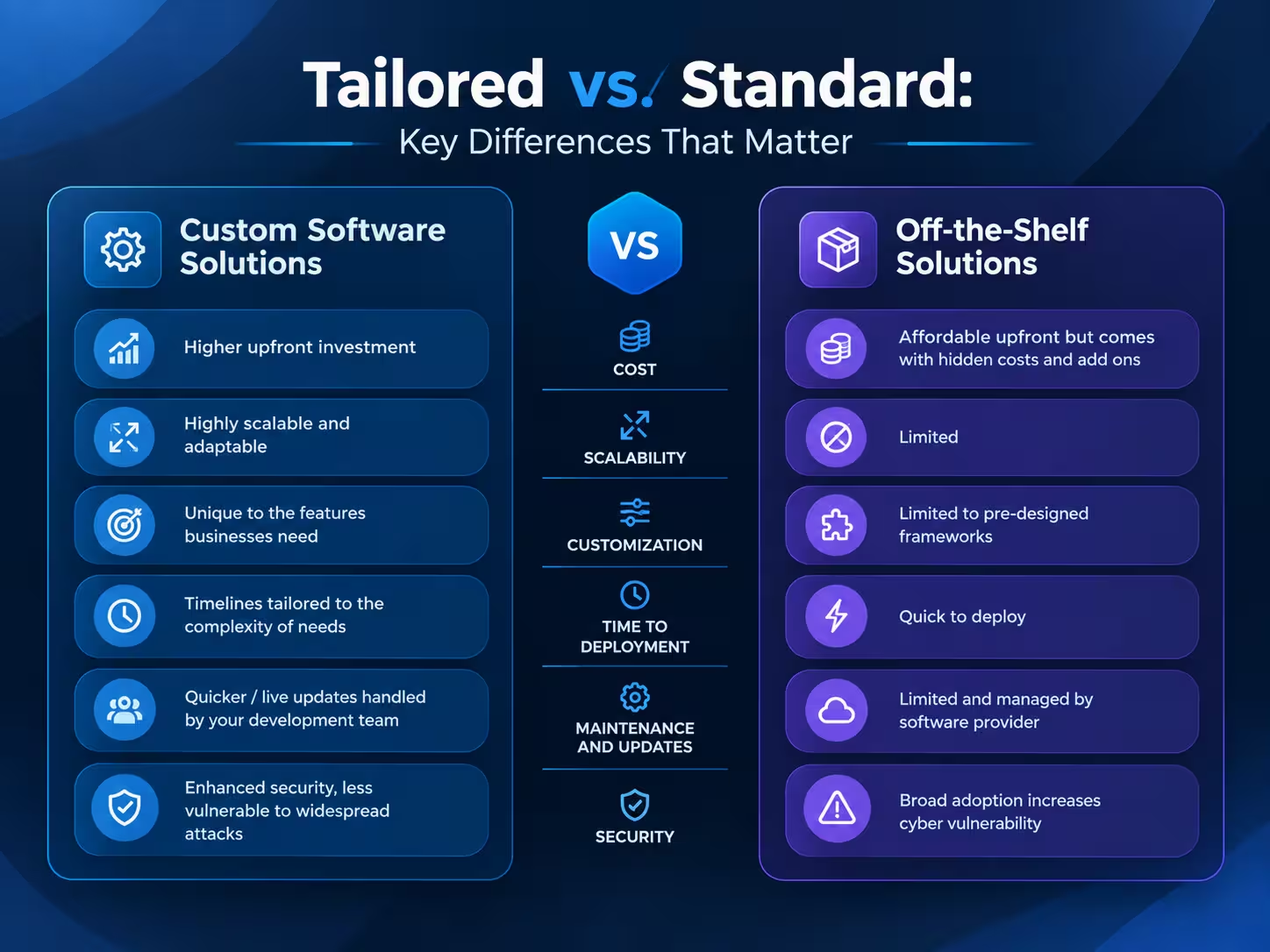
A software problem is sometimes a process problem. Unnecessary approvals, unclear ownership, and duplicated checks can make even a capable system feel difficult. Simplifying those steps may deliver more value than introducing another platform. If the software itself is the limitation, consider configuration changes, better forms, clearer dashboards, or a small feature enhancement.
Connect systems and automate repeatable tasks
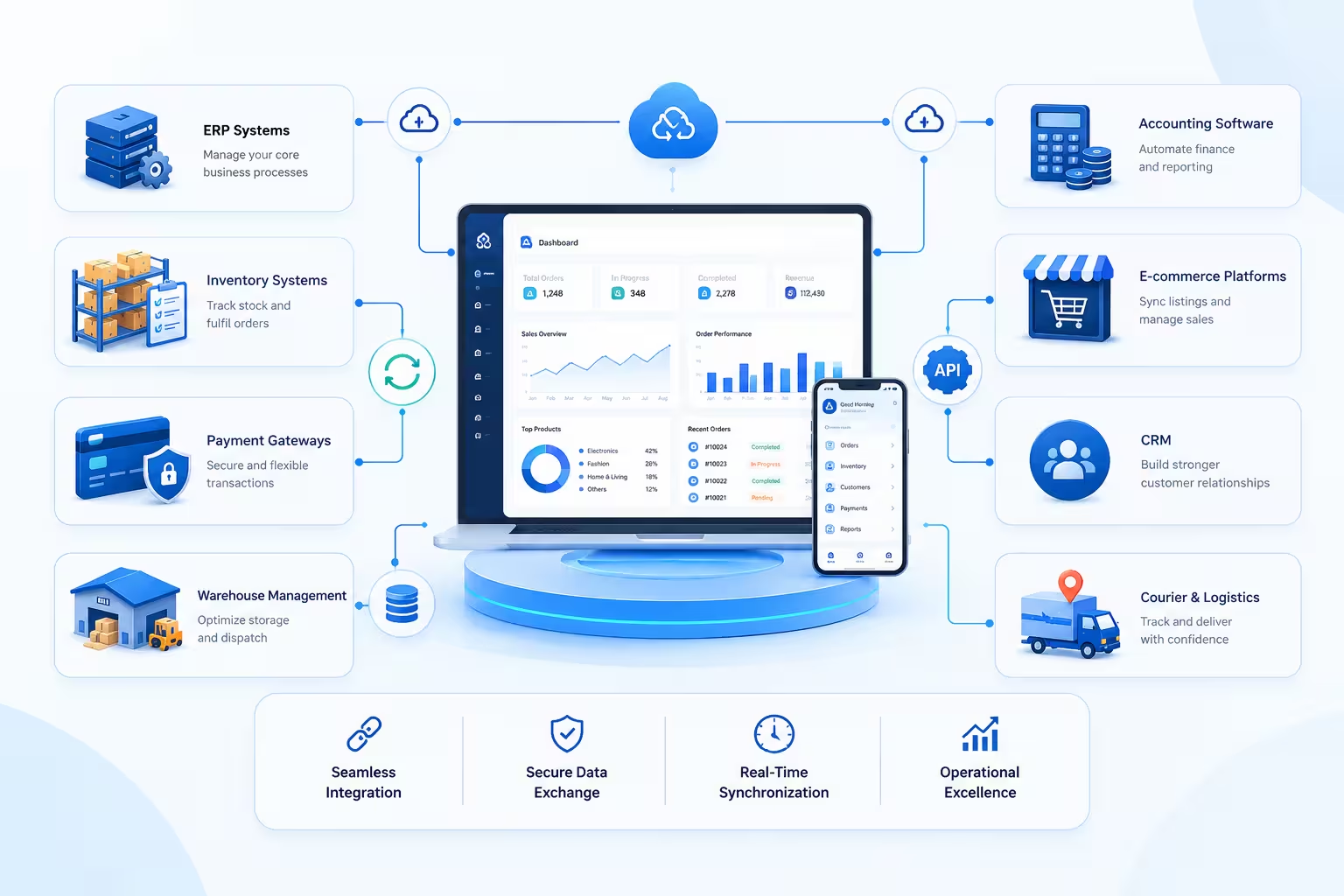
When sales, inventory, finance, and customer service tools do not share information, employees become the connection between them. Integration can move approved data between systems and reduce duplicate entry. Define which system owns each record, when updates should happen, and what should happen if a connection fails. Predictable tasks such as notifications, routine reports, and approval reminders may also be good automation candidates.
Measure the result
Choose a baseline before making changes. Depending on the workflow, measure time per task, correction rates, manual steps, or the cost of maintaining overlapping tools. After implementation, compare the same measures and include implementation and support costs. This gives the business a more realistic view of the benefit.
Conclusion
Start with one process that causes regular frustration and has a clear business impact. Map it, identify the main source of waste, and compare process changes, configuration, integration, automation, and replacement. Digitise Ideas helps businesses assess existing systems and prioritize improvements that solve real operational problems. You can see what we do or browse our case studies to see how this approach works in practice.
Have a process or software challenge you want to improve?
Contact Digitise Ideas to discuss a practical next step.